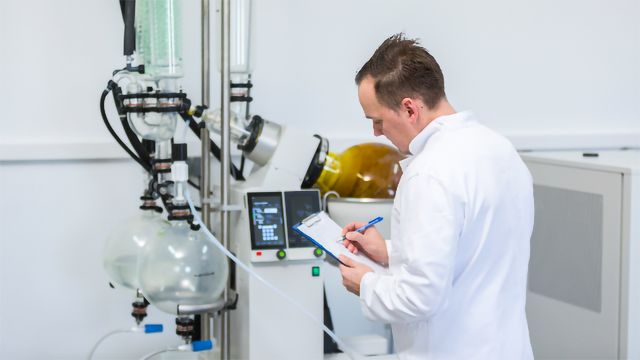
Modern Technologies Shaping Botanical Extraction Processes
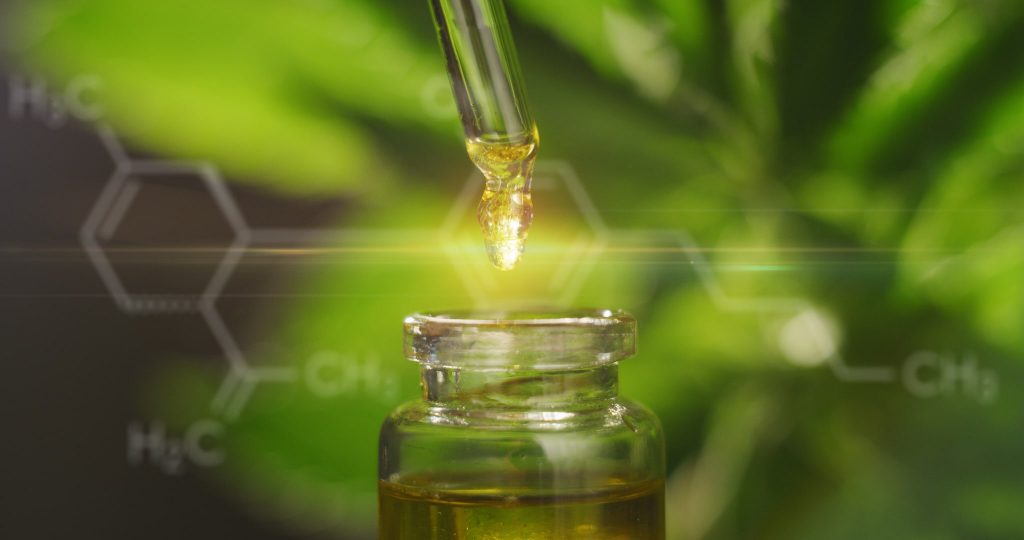
The growing interest in plant-based products has significantly expanded the role of extraction technologies across multiple industries. From herbal supplements and natural cosmetics to food, beverages, and wellness applications, the ability to efficiently isolate valuable compounds from plants is central to product quality and consistency. As demand increases, so does the need for advanced systems that support precision, safety, and scalability in extraction workflows.
At the core of these operations lies Botanical Extraction Equipment, which enables the separation of essential oils, active compounds, and bioactive ingredients from raw plant material. These systems form the backbone of modern botanical processing, bridging traditional knowledge with contemporary engineering.
Understanding Botanical Extraction
Botanical extraction is the process of separating desired chemical constituents from plant matter using physical or chemical methods. The goal is to preserve the integrity, potency, and purity of target compounds while minimizing degradation.
Different plants require different extraction approaches depending on their structure, moisture content, and the solubility of their active components. Selecting the right equipment and methodology is therefore essential to achieving reliable results.
Key Applications of Botanical Extraction
Extraction technologies are widely used across sectors, including:
Nutraceuticals and dietary supplements
Herbal medicine and traditional remedies
Flavoring and fragrance production
Cosmetics and personal care products
Research and development laboratories
Each application places unique demands on extraction systems, influencing design, capacity, and control requirements.
Common Extraction Methods
Several extraction techniques are commonly employed in botanical processing. Each method offers distinct advantages and limitations.
Solvent Extraction
This method uses liquids such as ethanol or water to dissolve target compounds. It is widely used due to its versatility and effectiveness across many plant types.
Steam Distillation
Often applied to essential oil extraction, steam distillation uses heat and steam to release volatile compounds from plant material.
Supercritical Fluid Extraction
This technique uses supercritical fluids, often carbon dioxide, to achieve high-purity extracts with minimal solvent residue.
Cold Press Extraction
Primarily used for citrus oils, cold pressing mechanically separates oils without heat, preserving delicate compounds.
The choice of method depends on desired yield, compound sensitivity, and regulatory considerations.
Role of Equipment Design
Effective extraction relies heavily on equipment design. Factors such as material compatibility, temperature control, pressure regulation, and flow dynamics all influence performance.
Well-designed systems ensure:
Consistent extraction results
Reduced contamination risk
Efficient use of solvents and energy
Ease of cleaning and maintenance
Attention to these elements supports both product quality and operational efficiency.
Scaling From Laboratory to Production
Botanical extraction often begins in small-scale laboratory settings before moving to pilot and full-scale production. Equipment must support this progression without compromising process integrity.
Scalable systems allow operators to replicate conditions across different volumes, ensuring that results achieved in testing environments translate effectively to commercial output.
Quality Control and Consistency
Consistency is a major challenge in botanical extraction due to natural variability in plant material. Factors such as growing conditions, harvest timing, and storage can affect composition.
Advanced extraction systems incorporate monitoring and control mechanisms to maintain consistent parameters, helping standardize output despite raw material variation.
Safety and Regulatory Considerations
Extraction processes involve solvents, pressure, and temperature, making safety a top priority. Equipment must be designed to meet industry safety standards and regulatory requirements.
Compliance considerations often include:
Food-grade or pharmaceutical-grade materials
Pressure vessel certifications
Environmental and waste management controls
Properly engineered systems reduce operational risk and support regulatory acceptance.
Sustainability in Extraction Operations
Sustainability is becoming increasingly important in botanical processing. Efficient extraction systems can reduce solvent usage, energy consumption, and waste generation.
Closed-loop systems, solvent recovery units, and optimized process controls contribute to more environmentally responsible operations while also lowering long-term costs.
Automation and Process Control
Modern extraction systems increasingly integrate automation to improve precision and repeatability. Automated controls allow operators to manage variables such as temperature, pressure, and extraction time with minimal manual intervention.
This level of control enhances reproducibility and reduces the likelihood of operator error, especially in complex or long-duration processes.
Integration With Downstream Processing
Extraction is often just one stage in a broader production workflow. Downstream processes may include filtration, concentration, drying, or formulation.
Equipment that integrates smoothly with these subsequent steps supports efficient production flow and reduces handling time, preserving extract quality.
Innovation and Technological Advancements
Ongoing research continues to refine extraction technologies. Innovations focus on improving yield, reducing processing time, and enhancing selectivity for specific compounds.
As these technologies evolve, Botanical Extraction Equipment plays an increasingly strategic role in enabling innovation across plant-based industries.
Choosing the Right Extraction Approach
Selecting an extraction system requires careful consideration of multiple factors:
Type of botanical material
Target compounds
Production scale
Quality requirements
Regulatory environment
A well-matched system supports both current needs and future growth.
Long-Term Operational Benefits
Investing in robust extraction systems delivers long-term benefits, including:
Improved product consistency
Reduced operational downtime
Enhanced process transparency
Greater adaptability to new formulations
These advantages support sustainable business operations and product development.
Botanical extraction sits at the intersection of science, engineering, and nature. As industries increasingly rely on plant-derived compounds, the importance of precise, efficient extraction processes continues to grow.
Through thoughtful system design, careful method selection, and ongoing innovation, extraction technologies enable the reliable transformation of raw botanical materials into valuable ingredients. With the right approach, extraction operations can achieve both technical excellence and environmental responsibility, supporting the future of plant-based products.
Comments
Join the discussionNo comments yet. Be the first to comment.